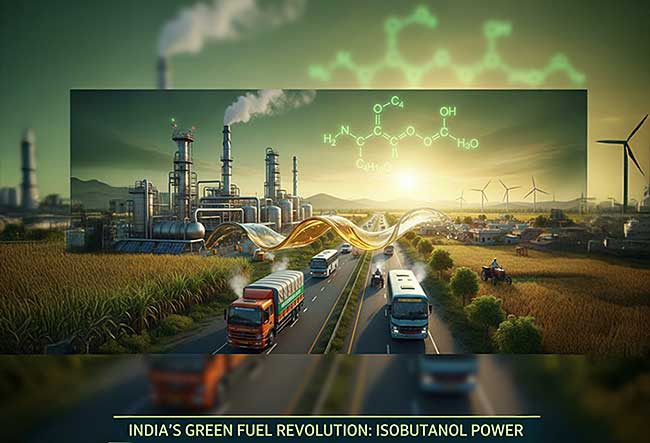
In the bustling ports of Gujarat and the sprawling industrial corridors of Maharashtra, a quiet revolution is brewing. It doesn’t involve flashy electric vehicles or vast solar farms, but something far more foundational: the very fuel that powers the country’s economic engine. India, a nation perpetually navigating the tightrope between explosive growth and energy security, is embarking on a groundbreaking experiment. The subject of this high-stakes trial? Isobutanol-diesel blending—a sophisticated biofuel blend that promises to reshape the nation’s energy landscape, cut carbon emissions, and bolster farmers’ incomes. This isn’t just another incremental step; it’s a daring leap into the next generation of biofuels.
Beyond Ethanol: Why India is Looking for a Second Act
India’s success with ethanol blending in petrol is undeniable. The Ethanol Blended Petrol (EBP) program has been a flagship initiative, reducing oil imports, cleaning urban air, and creating a new revenue stream for sugarcane farmers. But the transportation sector is a two-fuel economy. While petrol powers most cars, the heavy lifters of the Indian economy—trucks, buses, tractors, construction equipment, and freight trains—run almost exclusively on diesel. Diesel accounts for nearly 40% of all petroleum products consumed in the country. To make a dent in its colossal import bill (over 85% of its crude oil is imported) and meet its ambitious carbon reduction targets, India must tackle diesel.
Enter isobutanol. Unlike ethanol, which has limitations when mixed with diesel (poor miscibility, handling issues), isobutanol is a four-carbon alcohol that behaves much more like a hydrocarbon. It blends seamlessly with diesel at high ratios without requiring engine modifications. Think of it as a “drop-in” biofuel that speaks diesel’s language. It can utilize the same storage tanks, pipelines, and pumps, and power the same engines, but with a significantly cleaner profile.
The Science of the Blend: More Power, Less Soot
So, what makes this blend so special? The chemistry is compelling. When isobutanol, derived from plant sugars and starches (biomass), is blended with diesel, it introduces oxygen into the combustion process. This oxygen allows the fuel to burn more completely.
The results are transformative:
- Significant Reduction in Soot & Particulate Matter (PM): This is the holy grail for India’s smog-choked cities. PM from diesel exhaust is a major contributor to respiratory illnesses. Isobutanol blending can cut these emissions dramatically, offering a direct path to cleaner air.
- Lower Carbon Monoxide and Unburned Hydrocarbons: More complete combustion means fewer toxic byproducts are spewed from tailpipes.
- Lower Net Carbon Footprint: The carbon dioxide released during combustion is offset by the carbon absorbed by the biomass (like corn, sugarcane, or agricultural residue) used to produce the isobutanol. This creates a near-carbon-neutral cycle.
- Enhanced Cetane Number (in some blends): Cetane measures the combustibility of diesel; a higher number means better ignition quality and smoother engine operation.
For a nation where millions of diesel vehicles will remain on the roads for decades, this technology offers a “here-and-now” decarbonization tool.
The Indian Experiment: From Labs to Highways
The Indian government, through its powerhouse Department of Biotechnology (DBT) and public sector oil majors like Indian Oil Corporation (IOC), is moving beyond theory. Pilot projects are underway. The focus is on a pragmatic Isobutanol blend rate of 12-15%—a level high enough to make a meaningful environmental impact but conservative enough to ensure compatibility with existing Bharat Stage (BS-VI) engines without warranties being voided.
Trials involve fleets of state transport buses and long-haul trucks, monitoring everything from engine performance and fuel efficiency to real-world emissions and long-term durability. Early indications are promising, showing no loss of power or torque—a critical factor for truckers who cannot afford a drop in performance on grueling Indian highways.
The Ripple Effect: Energy, Economy, and Empowerment
The potential benefits of a successful isobutanol rollout extend far beyond the exhaust pipe:
- Energy Security & Fiscal Strength: Every percentage point of biofuel blended into diesel reduces the need for imported crude. This strengthens India’s geopolitical hand, insulates the economy from volatile global oil prices, and saves precious foreign exchange. It’s a direct line from farm fuel to national security.
- The “Bio-Refinery” and Farmer Prosperity: The vision goes beyond sugarcane. India is betting on 2G (second-generation) biofuel technology. This means isobutanol wouldn’t just come from food crops but from agricultural waste—rice straw, wheat stubble, corn cobs. This tackles the dual scourge of stubble burning, a major source of seasonal air pollution in north India, and creates a lucrative new market for waste. It establishes a decentralized network of “bio-refineries,” particularly in rural areas, creating jobs and providing farmers with an additional income stream. It transforms a pollution problem into an energy solution.
- A Just Transition for Hard-to-Abate Sectors: While the future of personal mobility may be electric, sectors like shipping, long-distance freight, and heavy machinery are harder to electrify quickly. Isobutanol-diesel blends offer a pragmatic, low-carbon pathway for these essential industries, ensuring they are not left behind in the green transition.
Navigating the Road Ahead: Challenges on the Path to Scale
The promise is immense, but the path to commercialization is paved with challenges that India must strategically navigate:
- The Cost Conundrum: Producing isobutanol is currently more expensive than producing fossil diesel or even ethanol. Scaling up production technology and achieving economies of scale is critical. Government support through incentives, subsidies, or a blending mandate (similar to the EBP program) will be essential in the initial phases.
- Building the Feedstock Ecosystem: A reliable, year-round, and cost-effective supply chain for biomass is needed. This requires significant investment in logistics, storage, and preprocessing facilities to handle agricultural residues.
- The Chicken-and-Egg Problem: Fuel producers won’t invest in large-scale bio-refineries without a guaranteed market, and vehicle manufacturers won’t widely endorse the blend without proven, large-scale fuel availability. Bold policy leadership is required to break this cycle.
A Vision for a Self-Reliant, Green Future
India’s experiment with isobutanol-diesel blending is more than a technical trial; it is a statement of intent. It reflects a uniquely Indian model of energy transition—one that is pragmatic, leverages indigenous agricultural strengths, and seeks to solve multiple problems (imports, pollution, farm income) with a single, powerful solution.
If successful, the image of a farmer in Punjab selling her rice straw to a local bio-refinery, which then produces fuel that powers a truck carrying goods to Mumbai, all while emitting cleaner exhaust, will become a potent symbol of a circular, self-reliant economy. It won’t replace the need for electrification or green hydrogen, but it will form a crucial pillar of a diversified, resilient, and low-carbon energy system.
As the world watches, India is once again demonstrating its capacity for innovation at scale. The journey of isobutanol from laboratory beakers to the fuel tanks of a million trucks is just beginning. But on this road, lined with fields of biomass and leading towards energy independence, India is firmly stepping on the accelerator. The destination? A future where growth is green, power is homegrown, and the very fuel that drives the economy also drives positive change.